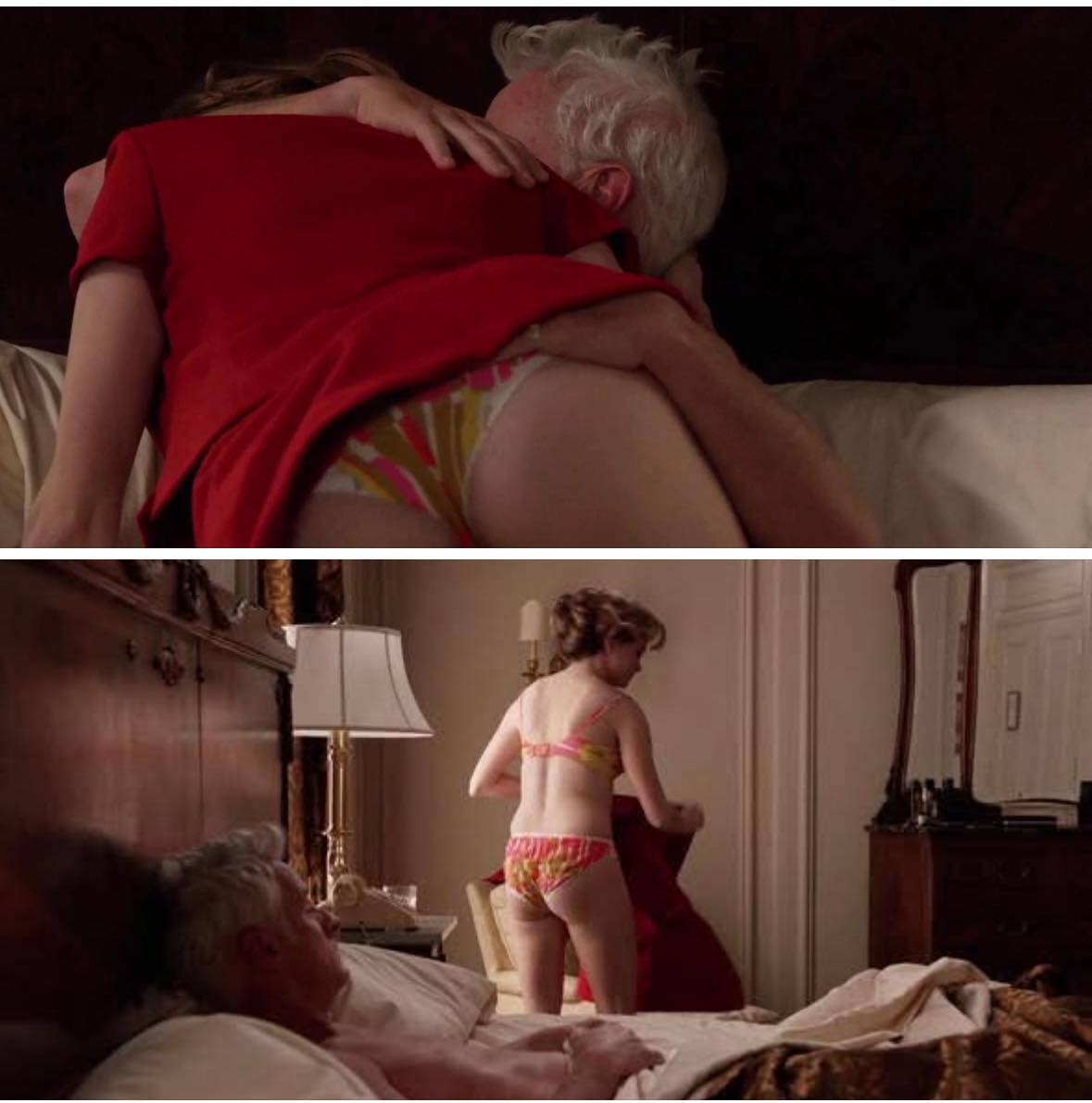
Review: Mad Men (2013)
Mad Men (2013) continues to stand as one of television’s most brilliantly crafted dramas—a series that doesn’t just tell a story, but immerses viewers in the glamorous, ruthless, and deeply flawed world of 1960s America. By the time the show reached its 2013 episodes, it had perfected its signature blend of sharp writing, emotional subtlety, and exquisitely detailed period atmosphere.

At the center remains Don Draper, played masterfully by Jon Hamm, whose internal battles are as compelling as the bold advertising campaigns he creates. These episodes delve deeper into his unraveling facade—peeling back layers of charm, perfection, and confidence to reveal a man haunted by identity, desire, and regret. His journey is not linear; it is raw, messy, and beautifully human.
The brilliance of Mad Men lies in its immersive storytelling. Every character—Peggy Olson breaking barriers, Joan Holloway fighting for respect, and the rest of the Sterling Cooper universe—gets richer and more complex. Their arcs are woven with subtle social commentary on gender, power, and ambition, capturing an era of change with striking authenticity.
Visually, the series is a feast: impeccable costumes, moody lighting, and elegant production design transport viewers into smoky boardrooms, crowded bars, and stylish suburban homes. Yet beneath the polished exterior lies a simmering emotional tension—loneliness, secrets, moral compromises—that makes Mad Men truly unforgettable.
Mad Men (2013) is storytelling at its finest: sophisticated, introspective, and layered with symbolism. It’s not just a TV show—it’s a character study, a cultural time capsule, and a masterpiece of modern television that rewards every moment of attention.