Review: “Butterfly” (1982)
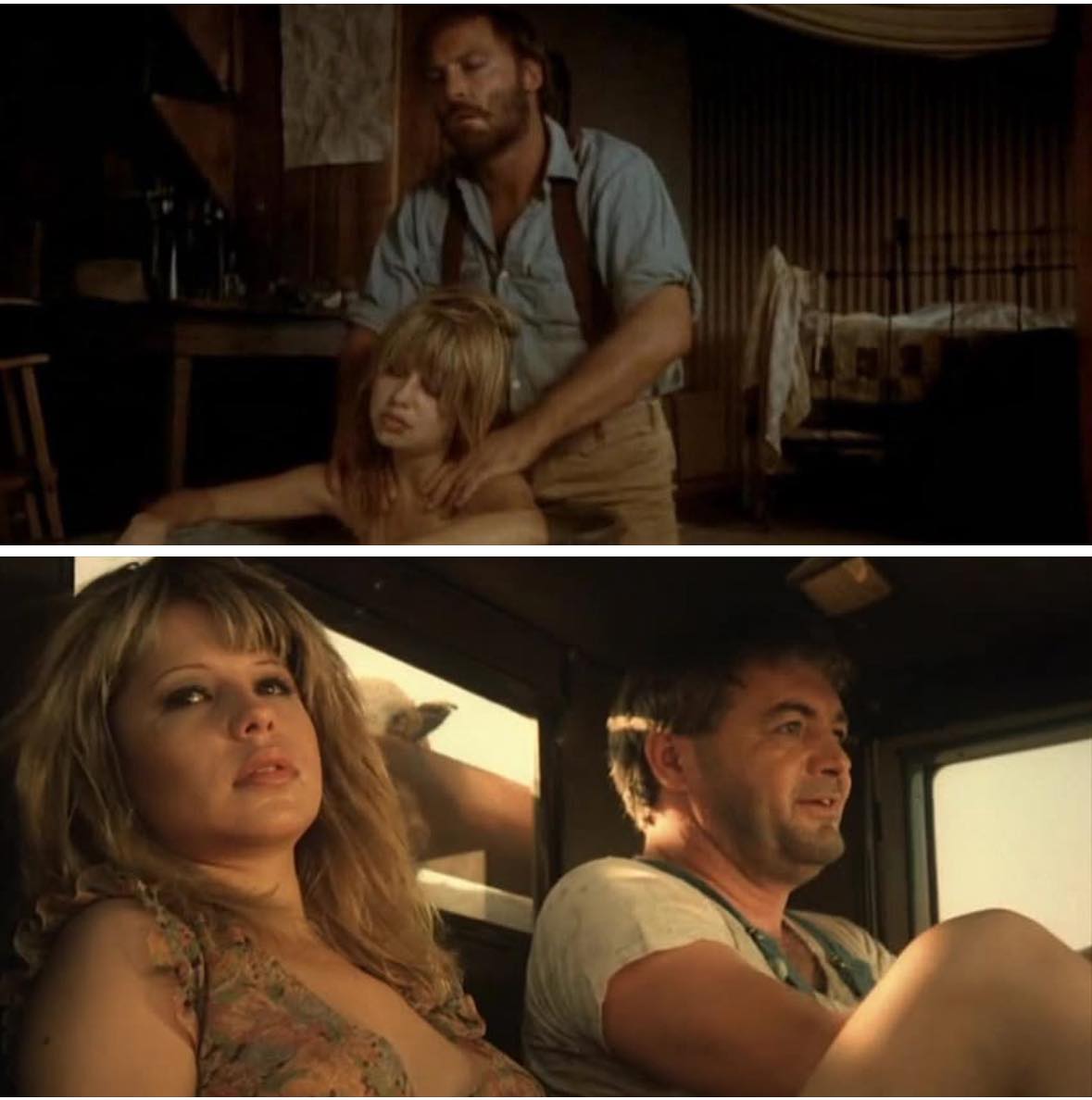
“Butterfly” (1982) is a dark, provocative, and emotionally charged drama that pushes the boundaries of desire, morality, and obsession. Directed by Matt Cimber, the film draws its power from its moody atmosphere and the haunting performances at its center—creating a story that feels both unsettling and strangely magnetic.
Có thể là hình ảnh về một hoặc nhiều người và tóc vàng
Stacy Keach delivers a gripping performance as Jess Tyler, a lonely miner whose isolated existence is turned upside down by the unexpected return of his estranged daughter, Kady, played by the mesmerizing Pia Zadora. Zadora’s portrayal is fearless—flirtatious, wounded, and rebellious—bringing an unpredictable energy that fuels the film’s tension. Together, they create a volatile dynamic that keeps the audience on edge, blurring the lines between affection, manipulation, and forbidden longing.
Visually, the film carries a dusty, atmospheric Americana tone. Its rural landscapes and gritty textures mirror the emotional decay and moral ambiguity of the characters. The slow-burning narrative allows tension to fester, while the haunting score adds a layer of melancholy that lingers throughout.
Có thể là hình ảnh về một hoặc nhiều người, râu và tóc vàng
Despite its controversial themes, “Butterfly” is undeniably compelling. It paints a portrait of broken people trying—and failing—to escape the shadows of their past. Rather than offering easy answers, the film confronts uncomfortable emotions head-on, inviting viewers into a world where love is tangled, motives are murky, and truth is never simple.
Bold, moody, and unforgettable, “Butterfly” remains a striking piece of early ’80s cinema that dares to explore the darkest corners of human desire.