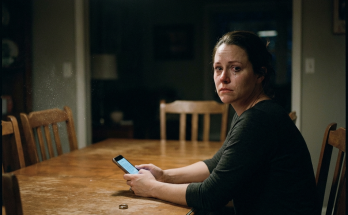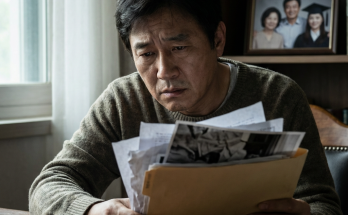
Some lines, once crossed, can never be uncrossed. Some betrayals are so profound that forgiveness isn’t just difficult—it’s impossible. My name is Amanda, and this is the story of how my in-laws destroyed any chance of knowing their grandchild before she was even born.
I’m writing this from my hospital room, holding my three-day-old daughter, Lily Rose. She’s perfect—ten fingers, ten toes, her father’s nose, and my eyes. My husband Michael is asleep in the chair next to me, exhausted from seventy-two hours of labor support, diaper changes, and standing guard at the door to make sure his parents don’t find us.
Yes, you read that right. My in-laws don’t know where we are. They don’t know their granddaughter has been born. And if I have anything to say about it, they never will.
How It Started
I need to take you back eight months to understand how we got here. I was three months pregnant with our first child—a miracle baby after two years of fertility treatments and one devastating miscarriage. Michael and I were cautiously optimistic, trying not to get too excited until we made it past the first trimester.
We’d told only our immediate families about the pregnancy. We weren’t ready to announce it publicly until we knew everything was okay. My parents were supportive and respectful, giving us space while letting us know they were there if we needed anything.
Michael’s parents, Richard and Patricia, were a different story from day one.
Patricia called me three times a day asking about symptoms, doctor appointments, and whether I was “taking care of myself properly.” She sent me articles about pregnancy nutrition, exercise routines, and birth plans. She showed up at our house unannounced with bags of maternity clothes she’d bought—all in styles I would never wear and sizes that didn’t fit.
When I politely told her I appreciated the thought but would prefer to choose my own maternity wardrobe, she cried and told Michael I was being ungrateful. That should have been my first warning about what was to come.
Richard was quieter but no less invasive. He’d corner Michael at family dinners and lecture him about the financial responsibilities of fatherhood, implying that our combined six-figure income wasn’t enough. He suggested I quit my job as a marketing director to be a stay-at-home mom, as if my career was just a hobby I could abandon.
But we tried to be patient. They were excited about their first grandchild. We chalked up their behavior to enthusiasm and set gentle boundaries. We told them we’d share updates when we were comfortable, that we needed space to process this pregnancy ourselves, and that we’d appreciate if they called before visiting.
They agreed. They said they understood. They l�ied.
The Twelve-Week Appointment
At twelve weeks, we had a crucial ultrasound and genetic screening. This was the appointment where we’d find out if the baby was developing normally, if there were any red flags, if we could finally breathe a little easier after the trauma of our previous loss.
I’d told Patricia about the appointment in a moment of weakness. She’d called during a particularly rough bout of morning sickness, and I was vulnerable and scared. She’d been comforting, maternal in a way that made me lower my guard. I mentioned we had the twelve-week scan coming up.
“Oh, honey, that’s wonderful,” she’d said warmly. “You must be so nervous. What day is it?”
I told her. Thursday at ten in the morning.
“I’ll be thinking of you,” she promised. “Call me after and let me know how it goes.”
Thursday morning, Michael and I arrived at the OB’s office fifteen minutes early. We were both nervous wrecks, holding hands in the waiting room, trying not to think about worst-case scenarios. The nurse called my name, and we stood up to follow her back.
That’s when we saw them.
Richard and Patricia were sitting in the corner of the waiting room, partially hidden behind a magazine. Patricia spotted us at the same moment we spotted them. She smiled and waved like this was a happy coincidence.
“What are you doing here?” Michael asked, his voice tight.
“We wanted to be here for the big appointment!” Patricia said brightly, standing up. “Your first real look at our grandbaby! We couldn’t miss it.”
I felt my stomach drop. “We didn’t invite you.”
“Oh, honey, you don’t need to invite grandparents to these things. We’re family.” She moved toward me like she was going to hug me. I stepped back.
“Mrs. Patterson,” I said, using my most professional voice, “this is our private medical appointment. You need to leave.”
Her smile faltered. “Don’t be ridiculous. We drove forty minutes to get here.”
The nurse who’d called us looked uncomfortable. “I’m sorry, but if she doesn’t want additional people in the exam room—”
“We’re not additional people,” Richard interrupted, speaking for the first time. “We’re the baby’s grandparents. We have a right to be here.”
“No,” Michael said firmly. “You don’t. Mom, Dad, you need to go. Now.”
What followed was a scene I’ll never forget. Patricia started crying, accusing us of being cruel and shutting them out. Richard demanded to speak to the doctor about “grandparents’ rights.” The entire waiting room was staring. Other pregnant women looked horrified. I was shaking with anger and humiliation.
Security had to escort them out. They left shouting about how we were ungrateful, how they were only trying to be supportive, how we’d regret pushing them away.
The ultrasound showed a healthy baby with a strong heartbeat. It should have been one of the happiest moments of our lives. Instead, I spent most of it crying from stress while Michael held my hand and apologized over and over for his parents’ behavior.
The Escalation
After the ultrasound incident, we went low contact with Michael’s parents. We told them their behavior was unacceptable and that we needed space. We said we’d reach out when we were ready to reconnect, but they needed to respect our boundaries.
They lasted three days before showing up at our house again.
This time, Patricia had brought a crib. A full-size, expensive nursery crib that she’d picked out herself. She and Richard showed up with it loaded in their truck, expecting to set it up in what they’d decided would be the baby’s room.
“We haven’t even decided on a nursery yet,” I said, blocking the doorway. “And we certainly didn’t ask you to buy furniture.”
“Every baby needs a crib,” Patricia said, as if I was being irrational. “We wanted to get you started. We thought you’d be grateful.”
“What you thought,” Michael said, appearing behind me, “is that if you bought the crib, you’d get to help set up the nursery. Which means you’d get to come into our house whenever you wanted to ‘check on’ your purchase.”
Richard’s face darkened. “We’re trying to help you. Both of you are working full-time. You’re going to need support when the baby comes. You’re going to need us.”
“What we need,” I said clearly, “is for you to respect our boundaries. We didn’t ask for a crib. We don’t want this crib. Please take it back.”
They refused. They actually refused to take their own purchase back, insisting we were being unreasonable and that we’d “see reason” once the baby arrived and we were exhausted and desperate for help.
Michael physically blocked them from bringing the crib into our house. It sat in their truck while we had a forty-minute argument on our front lawn. Neighbors came out to watch. It was mortifying.
Finally, Michael told them if they didn’t leave, he’d call the police. They left, but not before Patricia told me I was turning her son against his own family and that I’d be sorry when I needed help and had no one to turn to.
The crib incident should have been the final straw. But somehow, we convinced ourselves we could still fix this. They were family. They’d calm down. We’d set firmer boundaries and enforce consequences. We’d make it work.
We were so naive.
The Baby Shower Ambush
At twenty-eight weeks, my best friend Lauren threw me a baby shower. It was supposed to be a small gathering—just my close friends and female family members. No drama, no stress, just celebrating the upcoming arrival of my daughter.
I’d specifically told Lauren not to invite Patricia. After everything that had happened, I needed one event that was just mine, where I could relax and enjoy myself without managing my mother-in-law’s emotions and boundary violations.
Lauren promised. She said she understood completely and that Patricia’s name wasn’t on the guest list.
The shower was at Lauren’s house, a beautiful afternoon with pink decorations, games, and a ridiculous amount of cake. My mom was there, my sister, my cousins, my closest friends from work and college. I was laughing, feeling genuinely happy for the first time in months.
Then the doorbell rang.
Lauren went to answer it, and I heard her say, “What are you doing here?” in a tone that made my blood run cold.
Patricia walked into the living room carrying an enormous gift bag and wearing a dress that matched the shower’s color scheme. She’d dressed for the event. This wasn’t a spontaneous visit—this was planned.
“Surprise!” she said, beaming at me. “I know I wasn’t on the official guest list, but a grandmother should never miss her first grandbaby’s shower. I simply couldn’t stay away.”
The room went silent. My mother stood up, her face furious. Lauren looked at me apologetically, clearly about to throw Patricia out. But I held up my hand.
“How did you know about the shower?” I asked quietly.
Patricia’s smile didn’t waver. “Oh, I have my ways. What matters is that I’m here now. Let’s not make a fuss. This is supposed to be a happy day.”
Later, I learned that Patricia had been calling my friends and family members for weeks, fishing for information. She’d finally gotten the details from my cousin’s wife, who didn’t know the full situation and thought Patricia’s interest was sweet. Once Patricia had the date, time, and location, she’d simply shown up.
“You need to leave,” I said, standing up despite being heavily pregnant and uncomfortable. “You weren’t invited. You crashed my baby shower after I specifically asked you not to be here.”
“Amanda, don’t be dramatic—”
“GET OUT!” I shouted, and I shocked myself with the volume and fury in my voice. “You have violated every single boundary we’ve set. You stalked my friends and family for information. You showed up somewhere you were explicitly not invited. You don’t respect me, you don’t respect your son, and you sure as hell don’t respect our right to privacy and autonomy.”
Patricia’s face crumpled. She started crying, looking around the room for support. “I’m her grandmother. I have rights. Someone tell her she’s being unreasonable.”
My mother stepped forward. “The only person being unreasonable is you. My daughter asked you to leave. So leave.”
Patricia looked at me with something like hatred. “You’re going to regret this. When that baby comes and you’re exhausted and overwhelmed, you’re going to wish you’d been kinder to me. You’re going to need help, and I won’t be there.”
“Good,” I said. “That’s exactly what I want.”
She left, taking her enormous gift with her. The shower continued, but the joy was gone. I spent the rest of the afternoon fighting back tears, angry that she’d ruined another special moment.
That night, Michael called his parents and told them they were no longer welcome in our lives until they could demonstrate genuine respect for our boundaries. He said we’d consider reconciliation after the baby was born, but only if they could prove they’d changed.
They didn’t respond to the message. But we should have known the silence wouldn’t last.
The Final Betrayal
I went into labor three weeks ago at thirty-seven weeks. Not dangerously early, but earlier than expected. Michael and I had a plan—we’d go to the hospital, labor as long as possible at home, and then head in when contractions were close together. We’d informed only my parents that I was in early labor, planning to update everyone else once the baby actually arrived.
We never got the chance to control that narrative.
While I was laboring at home, breathing through contractions and trying to stay calm, Patricia and Richard showed up at our house. They’d been—and I’m not exaggerating—stalking our home. They’d been driving by multiple times a day for weeks, watching for signs that I’d gone into labor.
When they saw Michael’s car in the driveway at two in the afternoon on a workday, they knew.
They didn’t knock. They used a key—a key Michael had given them years ago and forgotten to ask for back after we set boundaries. They let themselves into our house while I was in active labor.
I was in the bathroom when I heard the front door open. I heard Patricia’s voice calling out, “Hello? We know you’re here! We saw the car!”
Michael was downstairs timing my contractions. I heard him shout, “What the hell are you doing in my house?”
“We’re here to help!” Patricia said brightly. “We know she’s in labor. We came to drive you to the hospital and be there for the birth.”
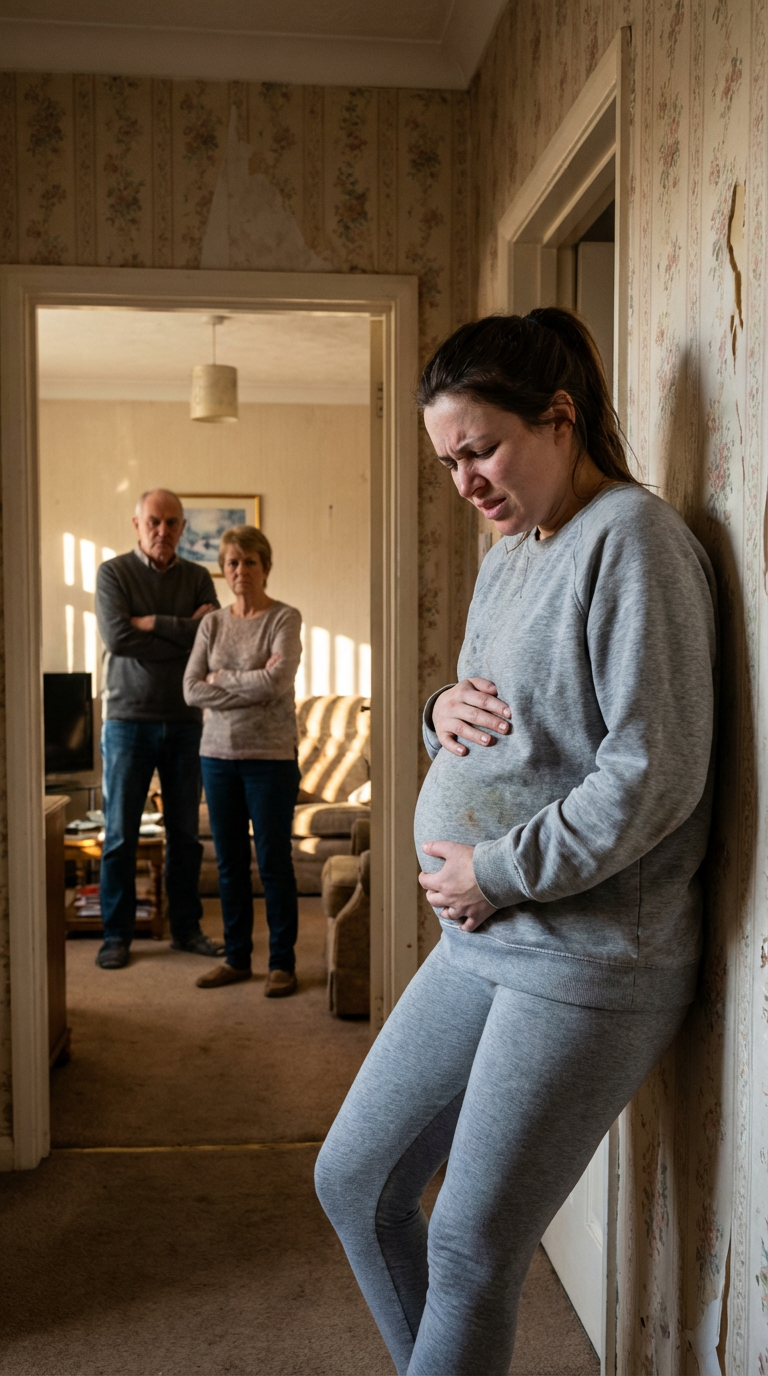
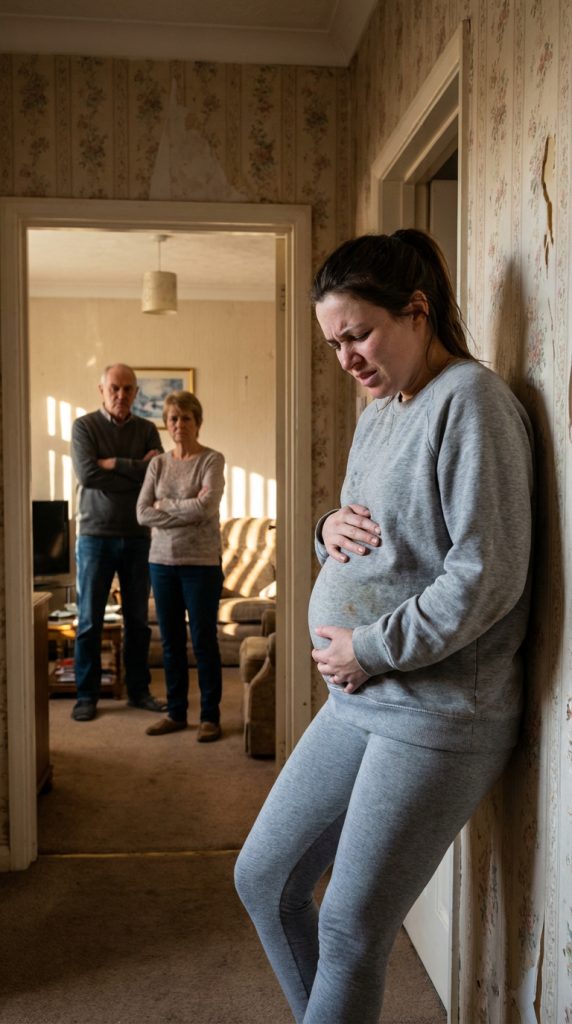
I came out of the bathroom, holding my belly, and saw them standing in my living room like they owned the place. The violation was so complete, so absolute, that I couldn’t even speak.
“Get out,” Michael said, his voice shaking with rage. “Get out of our house right now.”
“Don’t be ridiculous,” Richard said. “Patricia is going to help Amanda through labor. She’s birthed two children herself. She knows what to do.”
“I have a doula,” I managed to say through gritted teeth as another contraction hit. “I don’t want you here. Get out of my house.”
Patricia moved toward me like she was going to rub my back or touch my belly. I slapped her hand away.
“Don’t touch me. Get out or I’m calling the police.”
“You’re being irrational,” Patricia said, and her voice had taken on that condescending tone she used when she thought she knew better. “This is the hormones talking. You don’t know what you need right now. That’s why we’re here.”
Michael pulled out his phone. “I’m calling nine-one-one. You have thirty seconds to leave before I report you for breaking and entering.”
They didn’t believe him. They stood there arguing, insisting they had a right to be present for their grandchild’s birth, that we couldn’t possibly manage without them, that we were being cruel and ungrateful.
Michael dialed. He actually called the police.
That’s when Richard grabbed the phone out of his hand. Physically grabbed it and threw it across the room, where it shattered against the wall.
“You’re not calling anyone,” Richard said, and his voice was dangerous in a way I’d never heard before. “We’re your parents. We’re this baby’s grandparents. You don’t get to shut us out.”
Michael shoved his father. Hard. Richard stumbled backward. Patricia screamed. I was having another contraction and couldn’t do anything but lean against the wall and try to breathe.
My husband and his father were in a physical altercation in our living room while I was in labor. Patricia was screaming at both of them to stop. I was crying and contracting and feeling like I was in a nightmare I couldn’t wake up from.
A neighbor must have heard the commotion because suddenly there were police at our door. Michael had to explain, while his father stood there looking self-righteous, that his parents had used an old key to break into our house, that we’d asked them to leave multiple times, and that his father had destroyed his phone and physically prevented him from calling for help.
The police escorted Richard and Patricia out. They took statements. They offered to press charges for breaking and entering, assault, and destruction of property. Michael was shaking so hard he could barely speak.
I had my daughter twelve hours later at a hospital Richard and Patricia don’t know the name of. We registered under a privacy code. We told the nurses that no one was allowed in except my parents. We’ve been here for three days, and they still don’t know she exists.
The Decision
Michael’s phone has been exploding with messages from his parents since that day. They somehow found out I went to the hospital—probably from the neighbor who called the police—and they’ve been demanding to know which hospital, which room, whether the baby is here yet.
Michael hasn’t responded. Neither have I.
Yesterday, Patricia left a voicemail that Michael played for me on speaker. In it, she sobbed and apologized, said she knew they’d “gone too far” but surely we could move past this. She said they were grandparents and had rights. She said we couldn’t keep them from their grandchild forever.
I looked at Michael, looked down at Lily sleeping in my arms, and made a decision.
“They’ll never meet her,” I said. “Not when she’s a baby. Not when she’s in school. Not at her graduation or her wedding or any moment of her life. They’ve proven they don’t respect boundaries, they don’t respect consent, and they’re willing to use physical force to get what they want. I will not expose our daughter to people like that.”
Michael was quiet for a long time. Then he said, “I agree. But they’re going to fight us on this. They’re going to claim grandparents’ rights. They’re going to make our lives hell.”
“Let them try,” I said. “We have documentation of everything. The stalking, the breaking and entering, the assault. We have police reports. We have witnesses. If they want to take us to court, we’ll bury them with evidence of why they’re not safe people to have around our child.”
So that’s where we are. My in-laws don’t know they have a granddaughter. They don’t know her name, her weight, what she looks like. And if I have anything to say about it, they never will.
The Aftermath and Moving Forward
We’ve been home from the hospital for two days now. We entered and left through the parking garage, had hospital security escort us to our car, and took a deliberately circuitous route home to make sure we weren’t followed. We’ve changed all our locks. We’ve installed security cameras. We’ve sent Michael’s parents a cease-and-desist letter through our lawyer.
My parents have been incredible. They’ve brought us meals, helped with the house, held Lily while we napped. They’ve respected every boundary, asked before coming over, and left when we needed space. They’ve shown us what healthy grandparenting looks like, which only makes the contrast with Richard and Patricia more stark.
Michael’s sister called yesterday. She’s sympathetic but doesn’t fully understand why we’ve cut off their parents completely. “They’re just excited about the baby,” she said. “Can’t you give them another chance?”
I explained, calmly, that this wasn’t about excitement. This was about a pattern of boundary violations that escalated to breaking into our home while I was in labor and physically assaulting my husband. I asked her if she’d let someone who’d done that to her meet her children.
She got quiet. “When you put it like that…”
“That’s exactly how it is,” I said. “Your parents aren’t safe people. They don’t respect the word no. They think their wants override everyone else’s rights. I won’t expose Lily to that.”
Michael has been struggling. He’s angry at his parents, but he’s also grieving. He’s grieving the parents he wished he had, the grandparents he wanted his daughter to know. He’s in therapy now, working through the realization that his parents’ love has always been conditional and controlling.
I’m struggling too. I’m dealing with postpartum hormones, recovery from childbirth, and the stress of having to guard my family against people who should be our biggest supporters. I cry a lot. I’m angry a lot. But I’m also certain we made the right choice.
The Legal Reality
People keep asking about grandparents’ rights. Let me be clear: in our state, grandparents can petition for visitation, but only if they can prove it’s in the child’s best interest. Given that we have police reports documenting their breaking and entering, assault, and harassment, I’m not worried about them winning a court case.
Our lawyer says we have an incredibly strong case for a restraining order if they continue to harass us. We’re documenting everything—every call, every text, every drive-by of our house that our security cameras capture. We’re building a file that proves, unequivocally, that Richard and Patricia are not safe people to have around our daughter.
Yesterday, Patricia’s sister—Lily’s great-aunt—called me. She was gentler than Michael’s sister, more understanding. She said she’d witnessed years of Patricia’s controlling behavior and wasn’t surprised it had come to this.
“I want you to know,” she said, “that I support your decision. I’ve watched Patricia steamroll over people’s boundaries my entire life. I’ve watched Richard enable it. You’re doing the right thing protecting your daughter. I just wish someone had protected Patricia’s children from her the same way.”
That conversation gave me more peace than anything else has. Validation from someone who knows Richard and Patricia well, who understands the full scope of their dysfunction, who isn’t telling me to “just forgive them” or “give them another chance.”
What This Cost Us
I won’t pretend this decision doesn’t come with losses. Michael’s extended family is divided. Some support us completely. Others think we’re being too harsh. We’ve lost relationships with cousins, aunts, and uncles who’ve decided we’re the problem.
Holiday dinners will never be the same. Family gatherings will be complicated. Lily will grow up without half of her extended family present. These are real consequences, and they hurt.
But I keep coming back to one question: what message would I send my daughter if I let Richard and Patricia back into our lives?
I’d be teaching her that it’s okay for people to violate your boundaries if they love you. That family gets a pass on respecting your consent. That you should tolerate abuse because “they mean well.” That your home isn’t truly yours if someone with a key decides to enter without permission.
I’d be teaching her that her body, her space, her choices don’t matter as much as other people’s feelings. That keeping the peace is more important than maintaining your dignity and safety.
I won’t teach her those lessons. I won’t model that kind of weakness and enable that kind of control. If the price of protecting her is losing half of her extended family, that’s a price I’ll pay without hesitation.
To Anyone Reading This
If you’re dealing with in-laws or family members who violate boundaries, I want you to hear this: you’re not overreacting. You’re not being dramatic. You’re not being cruel.
Setting boundaries isn’t punishment—it’s self-protection. Enforcing consequences isn’t cruelty—it’s teaching people that their actions have results. Cutting off toxic family members isn’t abandonment—it’s refusing to participate in your own mistreatment.
People will tell you that family is everything. That blood is thicker than water. That you’ll regret pushing away your child’s grandparents. They’re wrong. Family is only valuable when it’s healthy. Blood relation doesn’t excuse abuse. And the only thing I’ll regret is if I ever compromise my daughter’s safety to maintain relationships with people who’ve proven they can’t be trusted.
Richard and Patricia had every chance to be part of Lily’s life. Every single boundary they violated was an opportunity to stop, apologize, and change their behavior. They chose escalation instead. They chose control instead of connection. They chose to force their way into moments they weren’t invited to rather than earning the privilege of being included.
Those were their choices. The consequences are theirs to bear.
The Future We’re Building
Lily is six days old now. She’s healthy, beautiful, and completely unaware of the drama surrounding her birth. Michael and I spend our days feeding her, changing her, staring at her in wonder, and marveling that we made this perfect little human.
We’re building a life for her that’s based on respect, consent, and healthy boundaries. She’ll grow up knowing that her voice matters, that her choices are valid, that no one—not even family—has the right to override her autonomy.
She’ll meet my parents, who’ve shown themselves to be loving and respectful grandparents. She’ll know Michael’s sister and her kids, because they’ve respected our decisions. She’ll have aunts, uncles, and cousins who understand that love includes respect.
What she won’t have is grandparents on her father’s side. That’s sad. It’s a real loss. But it’s a necessary one.
I look at her sleeping in my arms, and I make her a promise: I will always protect you. Even from family. Even when it’s hard. Even when people judge me for it. Your safety and wellbeing will always come first.
That’s what parents do. That’s what love looks like. And if Richard and Patricia can’t understand that, they don’t deserve to be part of her life anyway.
Some people say I’m too harsh. That everyone deserves a second chance. That time will heal these wounds and we’ll eventually reconcile. Maybe they’re right. Maybe in ten or fifteen years, after extensive therapy and genuine change, we’ll reconsider.
But for now, the answer is no. Richard and Patricia will never meet my baby. They’ve lost that privilege through their own actions. And I sleep soundly knowing I made the right choice for my family.
That’s my story. That’s my truth. And I stand by every word of it.