The text came on a Tuesday morning while I was making coffee: “Family meeting at Mom and Dad’s tonight at 7. Everyone needs to be there. It’s important.”
I should have known something was off. My family doesn’t do formal meetings. We’re the type who handle things over Sunday dinners or group texts. A scheduled, mandatory meeting meant something big was happening.
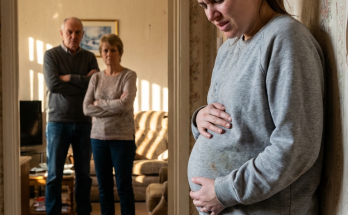
I showed up at 6:55, the last to arrive. My parents, my older sister Rachel, her husband Mark, and my younger brother Tyler were already sitting in the living room with weird, expectant expressions. The kind of faces people make when they’re about to ask for something huge.
“Thanks for coming, Jen,” my mom said, patting the empty spot on the couch next to her.
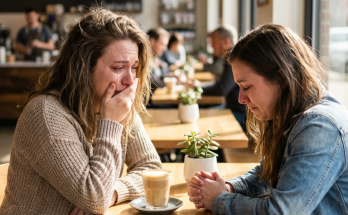
Rachel was crying before anyone even spoke. Not sobbing, just tears sliding down her cheeks as Mark held her hand.
“We have something we want to ask you,” my dad started. “It’s big, and we want you to really think about it before you answer.”
My stomach dropped. In that moment, I knew. I don’t know how, but I knew exactly what they were going to ask.
“Rachel and Mark have been trying to have a baby for four years,” Mom continued. “They’ve done six rounds of IVF. Rachel’s had three miscarriages. The doctors say her uterus just can’t carry a pregnancy to term, but her eggs are fine.”
Rachel’s tears were coming faster now. “We’ve looked into adoption, but the wait lists are years long, and it’s so expensive. We’ve looked into surrogacy agencies, but it’s $150,000 minimum, and our insurance won’t cover any of it.”
I felt like I was watching this conversation happen to someone else.
“You’re young and healthy,” my dad said. “You’ve had one easy pregnancy already with Sophie. The doctors say you’d be a perfect candidate.”
“We want to ask you to be our surrogate,” Rachel said, her voice breaking. “Please, Jen. You’re our only hope.”
And just like that, my entire family was staring at me, waiting for me to save my sister by giving her nine months of my body.
The Pressure Begins
I sat there in stunned silence for what felt like an hour but was probably thirty seconds.
“I… I need to think about this,” I managed.
“What’s there to think about?” Tyler spoke up for the first time. “Rachel’s your sister. She needs you.”
“It’s a huge decision, Tyler. I need time to process—”
“We don’t have time,” Mark interrupted. “Rachel’s 38. Every month we wait, the chances get worse. We need to know now so we can start the process.”
“You want me to decide right now? Tonight? Whether to be pregnant for nine months?”
“You’ve already been pregnant,” my mother said gently. “You know you can do it. You know how easy you had it with Sophie.”
Easy. I’d had hyperemesis gravidarum for the first five months—severe nausea and vomiting that landed me in the hospital twice for dehydration. I’d developed gestational diabetes. I’d had a third-degree tear during delivery that took months to heal. My “easy” pregnancy had been the hardest thing I’d ever done physically.
But I’d done it for my daughter. My choice. My baby.
“I understand this is overwhelming,” Rachel said, reaching for my hand. “But Jen, I’m desperate. I’ve wanted to be a mom my entire life. You already have Sophie. You already got to experience pregnancy and childbirth. I’m just asking you to do it one more time, for me.”
The way she said it—”you already have Sophie”—like I’d somehow used up my fair share of motherhood and owed her a turn.
“I hear what you’re saying,” I said carefully. “But this is a major medical decision that affects my body, my health, my life. I need more than one evening to think about it.”
“How long?” my dad asked.
“I don’t know. A few weeks at least—”
“A few weeks?” Rachel’s tears turned to anger. “You need a few weeks to decide whether you’ll help your sister?”
“Rachel, I’m not saying no. I’m saying I need time—”
“That’s basically no!” she shouted. “If you were going to say yes, you’d say yes! You’re just trying to let me down easy!”
“That’s not fair—”
“What’s not fair is that you got pregnant by accident at 23 and had a healthy baby with no problems, and I’ve been trying for FOUR YEARS and have nothing to show for it except medical bills and dead babies!”
The room went silent.
“I think everyone should take a breath,” Mark said quietly, but the damage was done.
I stood up. “I’m going home. I’ll think about this and give you an answer when I’m ready.”
“If you leave now, you’re saying no,” my mother said. Her voice was cold in a way I’d never heard before. “If you really loved your sister, you wouldn’t need to think about it.”
I left anyway.
The Impossible Decision
I didn’t sleep that night. I lay in bed next to my daughter Sophie—five years old, asleep with her stuffed rabbit—and tried to imagine being pregnant again.
Tried to imagine the morning sickness, the exhaustion, the body changes, the delivery. Tried to imagine doing all of that and then handing the baby over to someone else. Tried to imagine the toll it would take on my body, my mental health, my relationship with my daughter during those nine months.
I called my best friend Maya at 2 AM.
“They want you to be a surrogate?” She sounded fully awake despite the hour. “Jesus, Jen. That’s massive.”
“They made it sound like I was selfish for not immediately saying yes.”
“It’s your body. You’re not selfish for needing time to think about something that huge.”
“But she’s my sister. She’s desperate. And I do understand how painful it must be—”
“Understanding her pain doesn’t obligate you to fix it with your uterus,” Maya said bluntly. “Jen, you had a traumatic pregnancy. You’ve told me before you weren’t sure you wanted to go through it again even for your own kid.”
She was right. After Sophie was born, I’d told my then-boyfriend (now ex) that I wasn’t sure I wanted more children because the pregnancy had been so difficult. We’d broken up for unrelated reasons, and I was now a single mom working full-time and barely keeping my head above water financially.
“How would you even manage being pregnant while taking care of Sophie and working?” Maya asked. “Who’s going to cover your medical bills if something goes wrong? What if you develop complications and can’t work? What if—”
“Stop,” I interrupted. “You’re making this harder.”
“Good. It should be hard. Because it is hard. And if you decide to do it, it should be because YOU want to, not because your family guilt-tripped you.”
The Answer They Didn’t Want
I spent two weeks researching surrogacy. The medical risks (which are significant, especially for someone who’d already had complications). The psychological impact (many surrogates struggle with postpartum depression and attachment issues). The legal complexities (contracts, parental rights, medical decision-making). The financial aspects (someone has to pay for everything, including lost wages if there are complications).
I made a list of questions for Rachel and Mark: Who would pay for my medical care? What if I had complications and couldn’t work? What if the pregnancy affected my ability to care for Sophie? What if I bonded with the baby and struggled to hand it over? What if something went wrong and I ended up with permanent health issues?
I called Rachel to set up a time to discuss everything.
“Just tell me yes or no,” she said. “I don’t want to have a meeting. I can’t handle being interrogated about this.”
“I’m not interrogating you. I have legitimate questions—”
“So that’s a no. You’re saying no.”
“I’m saying I have concerns that need to be addressed before I can make a decision—”
“You know what? Forget it. I don’t want a surrogate who needs convincing. I don’t want someone who sees my baby as a burden.”
“That’s not what I said—”
“You don’t need to say it. I can hear it in your voice. You don’t want to do this, so just be honest instead of stringing me along.”
I took a deep breath. “You’re right. I don’t want to do this. I’m sorry, Rachel. I know this isn’t the answer you wanted, but I can’t be your surrogate.”
She hung up on me.
The Fallout
Within an hour, I had texts from everyone in my family.
Mom: “I’m so disappointed in you. I raised you better than this.”
Dad: “Your sister needed you and you let her down. I don’t know what to say.”
Tyler: “Wow. Didn’t know you were so selfish. Rachel’s right about you.”
Mark: “You’ve broken my wife’s heart. I hope you can live with that.”
I tried calling my mom. She didn’t answer. I tried calling my dad. Same thing. I sent a long text to the family group chat explaining my decision, talking about my concerns, asking if we could have a real conversation about this.
Rachel’s response: “There’s nothing to talk about. You made your choice. Now we’re making ours.”
“What does that mean?” I typed back.
No response.
The next day was Sophie’s birthday party. We’d been planning it for weeks—a small gathering at my parents’ house with family and a few of Sophie’s friends from kindergarten. I’d baked cupcakes, bought decorations, wrapped presents.
I texted my mom: “See you at 2 for Sophie’s party?”
Her response came an hour later: “We’re not hosting. We need space from you right now.”
I stared at that text in disbelief. They were canceling my daughter’s birthday party because I wouldn’t be a surrogate?
I called again. This time my dad answered.
“Dad, please. Sophie doesn’t understand what’s happening. She’s five. Don’t punish her for my decision.”
“We’re not punishing anyone, Jennifer. We’re protecting Rachel. She can’t be around you right now. It’s too painful.”
“So you’re choosing Rachel over your granddaughter?”
“We’re choosing to support the daughter who needs us. You made it clear you don’t.”
He hung up.
I sat on my kitchen floor and cried for twenty minutes before pulling myself together to tell Sophie we’d be having a different kind of party this year—just her and me and Maya and her kids at the trampoline park.
Sophie cried. “But Grandma and Grandpa promised they’d be there. And Aunt Rachel said she’d bring the special cake.”
“I know, baby. I’m so sorry. Things changed.”
“Did I do something wrong?”
My heart shattered. “No, sweetheart. You did nothing wrong. The grown-ups are having a disagreement, and sometimes that means plans change.”
“When will they stop disagreeing?”
I had no answer for that.
The Silence That Followed
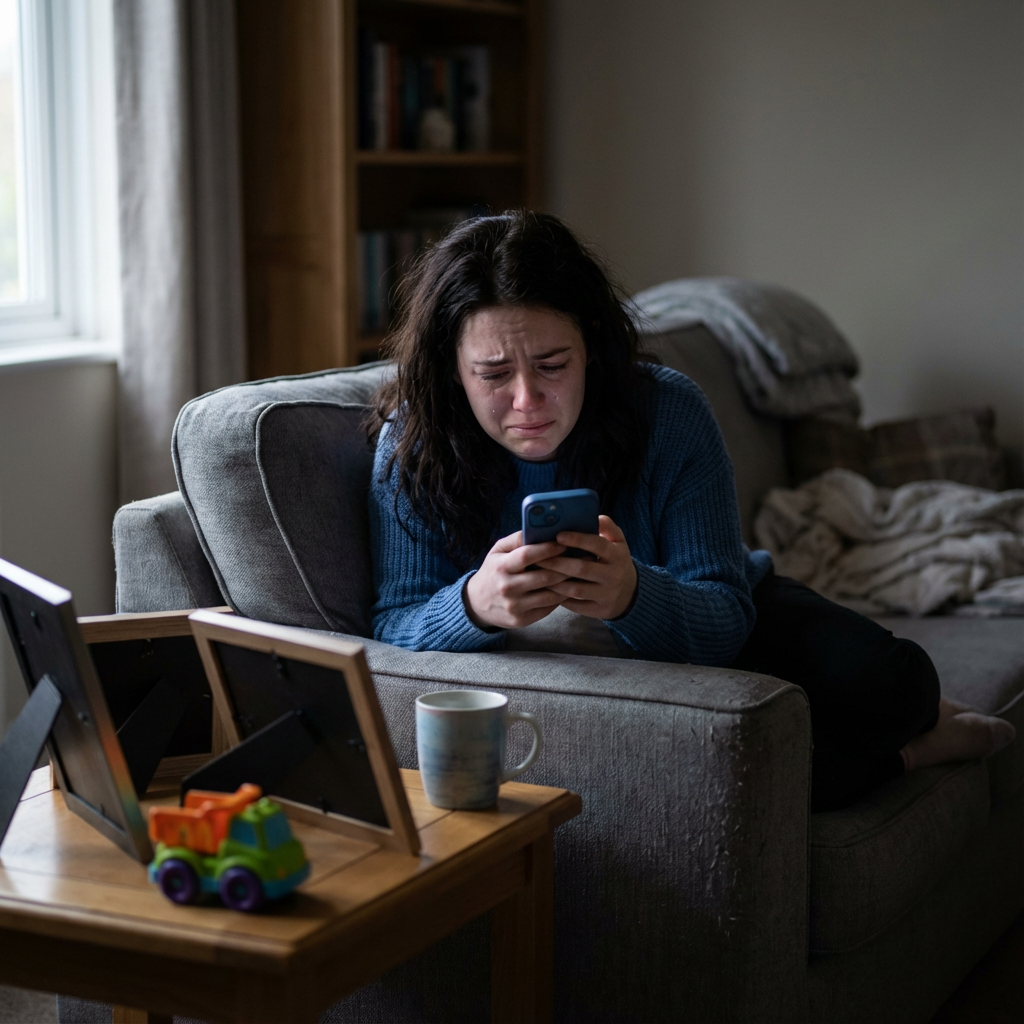
That was eight months ago. In that time, I’ve had zero contact with my parents, Rachel, Mark, or Tyler. They’ve blocked me on everything. They didn’t come to Sophie’s kindergarten graduation. They didn’t send her a card for Christmas. They didn’t acknowledge her sixth birthday last month.
My mom’s best friend Patricia reached out to me once, about three months in. She’d heard what happened through the family grapevine.
“Your mother is heartbroken,” Patricia said. “She just wants her family whole again.”
“Then why won’t she talk to me?”
“She says you need to apologize first. You need to understand what you did to Rachel.”
“What I did? I made a decision about my own body.”
“You broke your sister’s heart. You took away her last hope of having a baby.”
“I’m not her last hope. There are other surrogates, adoption, foster care—”
“Not that they can afford. You were the free option. Without you, they probably can’t have a baby at all.”
And there it was. The truth under all the emotional manipulation. I wasn’t being asked because I was the best option for Rachel. I was being asked because I was the free option.
“Patricia, with all due respect, my body isn’t a free resource for my family to use. If they can’t afford surrogacy, that’s tragic, but it’s not my responsibility to solve.”
“Family is supposed to help each other.”
“Family is also supposed to respect boundaries. They didn’t even want to discuss logistics or answer my questions about medical coverage or financial support. They just wanted me to say yes immediately and not ask questions. That’s not reasonable.”
Patricia sighed. “I understand what you’re saying. I do. But I also see how much pain Rachel is in. Can’t you try to understand that?”
“I do understand it. But understanding her pain doesn’t obligate me to sacrifice my body, my health, and my well-being to fix it.”
We haven’t spoken since.
What My Therapist Says
I started seeing a therapist about a month after the family meeting. The guilt was eating me alive, and I needed professional help processing whether I’d made the right choice.
“Your family asked you to make a significant sacrifice and then punished you when you set a boundary,” my therapist said during our third session. “That’s not healthy family dynamics. That’s coercion.”
“But shouldn’t family help each other?”
“Help, yes. Sacrifice your bodily autonomy under threat of abandonment? No. There’s a difference between helping and being exploited.”
She explained that what my family did is called “emotional blackmail”—making the love and acceptance conditional on compliance. Either I gave Rachel my body for nine months, or I’d lose my entire family. No middle ground. No room for discussion. No respect for my autonomy.
“They didn’t even want to hear your concerns,” she pointed out. “They didn’t want to discuss medical coverage, financial support, or how this would affect Sophie. They just wanted immediate compliance. That tells you this wasn’t really about you being the best option—it was about you being a means to an end.”
“So I’m not a terrible person?”
“You’re not a terrible person for having boundaries about your own body. You’re not selfish for considering the impact on your health and your daughter. And you’re not wrong for asking questions before making a massive decision.”
She paused. “The fact that they cut you off completely, including cutting off Sophie, tells me this is about punishment and control. If they really just needed space to process their grief, they’d still maintain a relationship with their granddaughter. But they’re using access to family—including access to Sophie’s grandparents—as a weapon to punish you for not complying.”
That realization broke something open in me. They weren’t just disappointed. They were actively punishing me by hurting my daughter.
The Choice I Stand By
I won’t lie and say I don’t have moments of doubt. I do. I wonder if I should have just said yes. I wonder if having my family in my life would be worth nine months of pregnancy. I wonder if I’m being selfish by prioritizing my own well-being over Rachel’s dreams of motherhood.
But then I remember a few key things:
One: I had a traumatic pregnancy before. I developed serious complications that affected my health for months after delivery. Asking me to risk that again—without even wanting to discuss medical support or what would happen if complications arose—was asking me to gamble with my health and my daughter’s security.
Two: I’m a single mother. If I’d gotten too sick to work during the pregnancy, I had no partner to pick up the slack. No one offered to help pay my bills if complications meant I couldn’t do my job. They just expected me to figure it out because “family helps family”—except that street only seemed to go one way.
Three: Sophie needs her mother. She needs me healthy, present, and able to care for her. Risking my health and well-being for a pregnancy that wasn’t even for my own child would have been irresponsible to the child I already have.
Four: My body is mine. That’s not selfish. That’s fundamental. I get to decide what happens to it, and I don’t owe anyone—not even family—access to my reproductive system.
Five: The way they reacted told me everything I needed to know. If they’d truly respected me and valued me beyond my uterus, they would have been disappointed but understanding. They would have maintained relationship with me and Sophie while processing their grief. Instead, they cut us off completely because I didn’t give them what they wanted. That’s not love. That’s conditional acceptance based on compliance.
Where Things Stand Now
It’s been eight months of silence. I’ve sent cards for holidays and birthdays that have gone unacknowledged. I’ve left voicemails that haven’t been returned. I’ve tried to reach out through extended family members who tell me the same thing: “Your mother says you need to apologize first.”
Apologize for what? For having boundaries? For asking questions? For making a decision about my own body?
I’ve accepted that I may never have a relationship with my family again. And weirdly, as time goes on, I’m becoming okay with that. Because I’ve realized something important: people who truly love you don’t make that love conditional on your body being available for their use.
They don’t cut off your child because you won’t be a surrogate. They don’t refuse to speak to you because you asked reasonable questions before making a massive decision. They don’t turn your entire extended family against you because you set a boundary.
Sophie asks about her grandparents sometimes. I tell her the truth in age-appropriate ways: “Grandma and Grandpa and I had a disagreement about something important. Sometimes adults can’t fix their disagreements, even when they want to. But that’s not your fault, and it doesn’t mean they don’t love you.”
I hope that’s true. I hope they do love her, even if they’re too angry at me to show it. But their anger matters less to me now than it did eight months ago.
What I Want Others to Know
If you’re being pressured by family to make a major sacrifice—whether it’s surrogacy, organ donation, financial support, or anything else that requires significant personal cost—please know this: You are allowed to say no.
You are allowed to have boundaries, even with family. Especially with family, actually, because those are the people who often feel most entitled to push past your boundaries in the name of love and obligation.
Saying no doesn’t make you selfish. Asking questions doesn’t make you unsupportive. Prioritizing your own health and well-being doesn’t make you a bad person.
And if people cut you off because you set a boundary? That tells you who they are, not who you are.
I lost my family when I refused to be my sister’s surrogate. But I kept my self-respect, my bodily autonomy, and my ability to look my daughter in the eye knowing I made the right choice for both of us.
Some people will call that selfish. I call it survival.
And eight months later, I stand by that choice completely.