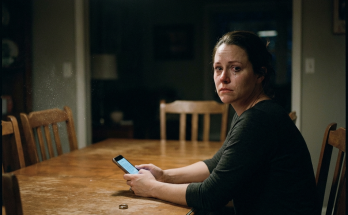
The email from my brother arrived three days after our father’s funeral. Subject line: “We need to talk about Dad’s will.” No condolences. No shared grief. Just business.
I knew what was coming before I even opened it.
My father had passed away after a brief battle with cancer, leaving behind a carefully structured estate that reflected his values, his relationships, and his final wishes. To me, his youngest daughter who’d cared for him during his illness, he left the family home and the majority of his assets. To my brother Derek, he left a modest cash inheritance and some personal items.
Derek’s email made it clear he thought this was unacceptable. And he expected me to “fix” it by giving him half of everything I’d inherited.
The Background
To understand why my father structured his will the way he did, you need to understand my relationship with Derek. We’d never been close. Growing up, Derek was the golden child—athletic, charismatic, popular. I was the quiet, bookish daughter who never quite measured up in his eyes or my mother’s.
When our mother passed away twelve years ago, Derek inherited her jewelry and a substantial cash gift. I received significantly less. My father explained privately that Mom had always favored Derek, and while he couldn’t change her will, he wanted me to know it didn’t reflect my worth.
After Mom died, Derek moved across the country for a high-paying job. He visited maybe once a year, usually around Christmas, staying just long enough to fulfill his obligatory son duties before flying back to his life in Seattle. Phone calls were rare. He missed birthdays, forgot Father’s Day, and generally maintained minimal contact with our dad.
I, meanwhile, stayed local. I had Sunday dinners with Dad weekly. I helped him navigate technology, drove him to doctor’s appointments, and eventually moved in to care for him when he got sick. For eighteen months, I balanced my remote work with round-the-clock caregiving—medication schedules, meals, bathing, emotional support through his darkest moments.
Derek visited twice during those eighteen months. Each visit lasted less than forty-eight hours.
The Will Reading
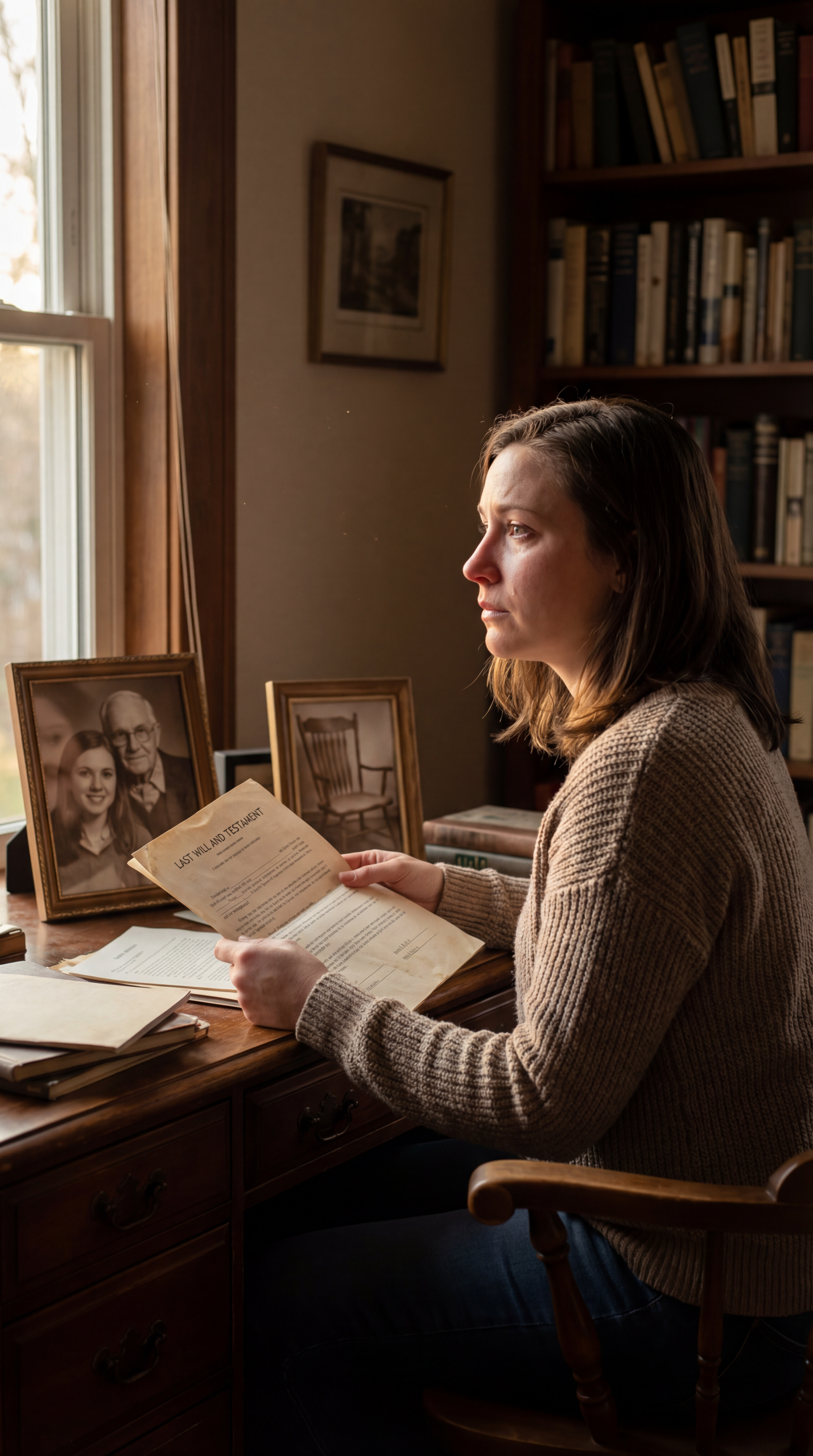
The attorney read Dad’s will to both of us over a video call—Derek in Seattle, me in Dad’s study where I’d spent so many hours talking with him, reading to him, holding his hand as his health declined.
To Derek: $50,000 cash, Dad’s watch collection, and several pieces of furniture.
To me: The house (valued at $780,000), Dad’s investment portfolio (approximately $320,000), his car, and most of his personal effects.
Derek’s face on the screen went from neutral to shocked to angry in about five seconds.
“There must be a mistake,” he said.
The attorney, who’d known our family for thirty years, shook his head. “Your father was very clear about his wishes. He updated this will eight months ago while of sound mind. Everything is in order.”
“This isn’t fair,” Derek said, looking directly at me through the camera. “We’re both his children. This should be split equally.”
I said nothing. My father’s voice was still in my head from the conversation we’d had when he updated the will.
“Sweetheart,” he’d said, “Derek’s going to be upset. But this isn’t about punishment. It’s about recognition. You’ve given me something he never did—your time, your care, your presence. The house should go to someone who actually values being part of this family. That’s you.”
The Demand
Derek’s email three days later was seven paragraphs of entitlement wrapped in the language of fairness. The key points:
“As his children, we should inherit equally.” This ignored the fact that children aren’t automatically entitled to equal inheritances—parents can distribute their estates however they choose.
“I had career obligations that prevented me from visiting more.” Translation: his job was more important than his dying father.
“You manipulated Dad while he was sick.” The implication that I’d somehow coerced our father into changing his will was both insulting and legally baseless. The attorney had confirmed Dad was completely competent when he made these decisions.
“The right thing to do is split everything 50/50.” According to Derek’s definition of “right,” which conveniently aligned with his financial interests.
“I need this money more than you do.” Derek made nearly three times my salary. This claim was absurd.
The email ended with: “I expect you to do the right thing and transfer half of your inheritance to me. We can handle this between us without getting lawyers involved. Let me know by the end of the week.”
I read it three times, my anger building with each pass. Then I called my best friend Maya, who’d watched me care for Dad through his entire illness.
“He wants you to give him half?” Maya’s voice was incredulous. “The brother who visited twice in eighteen months? Who couldn’t be bothered to help when your dad was literally dying?”
“He says it’s only fair,” I said flatly.
“Fair would have been him taking a leave from work to help you. Fair would have been him coming home to spend time with his father. Fair would have been literally anything other than showing up twice and expecting an equal inheritance.”
She was right. I knew she was right. But Derek was family—my only sibling. Part of me wanted to believe we could get past this.
The Phone Call
I called Derek instead of emailing back. He answered on the first ring.
“Did you think about what I said?” he asked without preamble.
“I did. The answer is no.”
Silence. Then: “What do you mean, no?”
“I mean I’m not giving you half my inheritance. Dad made his decision for specific reasons, and I’m going to respect that.”
“This is bullshit, Rachel. You know this isn’t what he would have wanted—”
“It’s exactly what he wanted,” I interrupted. “He told me so explicitly. He updated his will eight months ago while completely sound of mind. This wasn’t an accident or oversight. It was intentional.”
“You were in his ear every single day while he was sick,” Derek shot back. “You convinced him to cut me out—”
“Cut you out? You got fifty thousand dollars and a watch collection worth at least twenty grand. You weren’t cut out. You just didn’t get as much as me, and you can’t handle that.”
“I’m his son! His only son!”
“And I’m his daughter who actually showed up. Who moved in to take care of him. Who held his hand while he cried about how much he missed Mom. Who was there at 3 AM when he couldn’t sleep and needed someone to talk to. Where were you, Derek?”
Another silence. When Derek spoke again, his voice was cold. “You’re really going to do this? Keep everything while I get scraps?”
“I’m going to respect Dad’s wishes. That’s what I’m doing.”
“Then you’re selfish. And when people ask why we don’t talk anymore, I’m going to tell them exactly why—because you chose money over family.”
“No,” I said quietly. “You chose money over family the moment you decided your career was more important than being here for Dad. You made your choices. Now you’re living with the consequences.”
Derek hung up on me. I sat there holding the phone, shaking but also feeling oddly liberated. I’d said what needed to be said.
The Family Pressure Campaign
Derek didn’t take no for an answer. Over the following weeks, I started receiving calls from various family members—aunts, uncles, cousins I hadn’t spoken to in years.
Aunt Linda: “Derek is really hurt. Your father wouldn’t have wanted you two to fight like this. Can’t you just give him some of the money to keep the peace?”
Uncle Tom: “It does seem unfair that you got so much more. Your dad probably didn’t realize how it would look.”
Cousin Jennifer: “Family is more important than money. You should split it with Derek. That’s what siblings do.”
Each conversation followed the same pattern: they’d heard Derek’s version of events, which painted him as the wronged party and me as the greedy sister hoarding an inheritance that should have been shared.
None of them had been there during Dad’s illness. None of them had seen Derek’s absence or my presence. None of them knew about the countless conversations Dad and I had about what mattered to him—family, loyalty, showing up when it counted.
I tried explaining this at first, but I quickly realized these weren’t good-faith conversations. These were pressure tactics orchestrated by Derek to make me feel guilty enough to hand over money he felt entitled to.
After the fifth such call, I started declining them entirely. I sent a group text to the extended family: “Dad’s will reflects his wishes. I’m respecting those wishes. This matter is closed. Please stop contacting me about it.”
Derek’s response in the family group chat was immediate: “Translation: Rachel is keeping everything and doesn’t care about family.”
I left the group chat and blocked his number.
The Legal Threat
Six weeks after Dad’s funeral, I received a letter from an attorney representing Derek. He was contesting the will on the grounds of “undue influence”—claiming I’d manipulated Dad into disinheriting him while he was vulnerable during his illness.
I immediately contacted Dad’s attorney, who assured me the claim had no merit.
“Your father was evaluated by two separate doctors who confirmed his mental competency when he updated the will,” the attorney explained. “He wrote a letter of explanation—which is sealed—detailing exactly why he made these choices. Derek can contest all he wants, but he won’t win.”
“How long will this take?” I asked.
“Months, probably. Maybe a year. Your brother is hoping you’ll settle rather than deal with the time and expense. That’s the strategy.”
It was exactly what Derek would do—use the legal system as leverage to force a settlement that benefited him.
I could have caved. Could have offered him $100,000 just to make it go away. But the principle mattered more than the convenience. Dad had made his choice. I wasn’t going to let Derek bully me into overriding it.
“Fight it,” I told the attorney. “I’m not settling.”
The Letter from Dad
Three months into Derek’s legal challenge, Dad’s attorney called with news. “Your father’s sealed letter can now be entered as evidence. I think you should read it before we submit it to the court.”
He emailed me a PDF. I read it through tears.
To whom it may concern,
I am writing this letter to clarify my testamentary intentions and to address potential challenges to my will.
I am leaving the majority of my estate to my daughter Rachel for several specific reasons:
First, Rachel has demonstrated unwavering commitment to our family. After her mother passed, she remained local and maintained a close relationship with me. She called regularly, visited weekly, and made me feel loved and valued during what could have been a very lonely period of my life.
Second, when I became ill, Rachel stepped up without hesitation. She took family leave from her job, moved into my home, and provided round-the-clock care with a grace and devotion that I can never repay. She sacrificed her time, her career advancement, and her personal life to ensure I was comfortable and cared for.
Third, my son Derek has chosen a different path. While I love him, he has prioritized his career and his own life over maintaining a relationship with me. This is his right, but it comes with natural consequences. He visited rarely, called infrequently, and was largely absent during my illness. I do not judge him for these choices, but I also will not reward them equally to Rachel’s choices.
This will is not about punishment. It is about recognition. Rachel earned this inheritance through years of love, care, and presence. Derek did not.
If anyone challenges this will on grounds of undue influence or mental incapacity, please know that I am of completely sound mind as I write this. I have been evaluated by medical professionals. I have considered these decisions carefully over many months. This is what I want.
I hope Derek can eventually understand that inheritances are not entitlements. They are gifts, and I have chosen to give mine to the child who gave me hers—her time.
With love and clarity of purpose,
Richard Hartley
I cried for an hour after reading it. Then I sent it to Derek’s attorney with a message: “Submit this to the court if necessary, but I think Derek should read it first.”
Derek Drops the Case
Derek withdrew his legal challenge two days after receiving Dad’s letter. He didn’t call me, didn’t send an apology, didn’t acknowledge he’d been wrong. He simply had his attorney file paperwork dismissing the case.
I heard through Aunt Linda that Derek was “devastated” by the letter. That he’d had no idea Dad felt that way. That he thought Dad understood his career came first.
I felt no sympathy. Dad had reached out countless times over the years. Derek had chosen not to reciprocate. That was on him.
Life After the Inheritance
It’s been two years since Dad passed away. I still live in his house—now legally mine. I’ve updated it, made it my own while keeping the touches that remind me of him. His favorite chair is still in the living room. His books still line the shelves.
The money from the investment portfolio went toward paying off my student loans and establishing a secure financial foundation. I’m not wealthy, but I’m comfortable. More importantly, I’m at peace with how I earned this inheritance—not through manipulation or greed, but through love and presence.
Derek and I don’t speak. He didn’t come to the one-year memorial I organized for Dad. He’s removed me from social media. As far as I know, he’s moved on with his life, telling whoever will listen that his sister stole his inheritance.
Let him tell that story. I know the truth. More importantly, Dad knew the truth.
Why I Said No
People still ask sometimes why I didn’t just give Derek some money to keep the peace. Family friends suggest I was too harsh, that siblings should look out for each other regardless of past grievances.
Here’s why I said no:
Inheritance isn’t about equality—it’s about intention. Dad had the right to distribute his assets according to his values and relationships. Overriding that because Derek felt entitled would have disrespected Dad’s final wishes.
Derek wanted money he didn’t earn. Inheritance isn’t a lottery prize that should be split equally among all children. It’s a gift from parent to child, and that gift can reflect the quality and nature of the relationship.
Giving in would have validated Derek’s behavior. If I’d handed over half my inheritance just because Derek demanded it, I would have sent the message that showing up and doing the hard work of caregiving doesn’t matter—that everyone deserves equal rewards regardless of effort or commitment.
It was never about the money. Derek didn’t need the money. He made excellent income. This was about ego and entitlement. He couldn’t accept that his choices had consequences, that his absence was noticed and mattered.
Dad’s voice matters more than Derek’s demands. Every time I second-guessed my decision, I remembered Dad’s letter. His clarity. His specific reasons. His desire to recognize what I’d given him. How could I honor my father if I immediately undid what he’d explicitly wanted?
Lessons About Family and Money
This experience taught me several painful but important lessons:
Blood doesn’t entitle anyone to your resources. Family members will use guilt, pressure, and emotional manipulation to get what they want. You don’t owe them anything simply because you share DNA.
Some people only show up when there’s something to gain. Derek was MIA during Dad’s illness but immediately present when there was an inheritance to fight over. That told me everything I needed to know about his priorities.
You can’t reason with entitlement. I tried explaining, tried helping Derek understand Dad’s reasoning. He didn’t want to understand. He wanted money. You can’t logic someone out of a position they didn’t logic themselves into.
Stand firm on your boundaries. Every family member who called asking me to compromise was essentially asking me to ignore my own judgment and Dad’s wishes to make Derek feel better. Standing firm wasn’t mean—it was necessary.
Document everything. Dad’s letter saved me from a protracted legal battle. Having clear documentation of his mental competency and his reasoning made Derek’s challenge futile. If you’re making decisions that might be contested, document them thoroughly.
For Anyone Facing Similar Pressure
If you’re dealing with a family member demanding you share an inheritance or give them money they believe they’re entitled to, here’s my advice:
Remember that inheritance is a gift, not a right. Unless local laws specify otherwise, children are not automatically entitled to equal inheritances. The person who made the will had their reasons.
Don’t let guilt override judgment. Family members will try to make you feel selfish for keeping what was legally left to you. Their feelings of entitlement don’t create an obligation on your part.
Seek legal counsel early. Don’t try to navigate inheritance disputes alone. Get an attorney who specializes in estate law. It’s worth the cost.
Set clear boundaries. Tell family members once, clearly, that the matter is closed. Then stop engaging. Every conversation just gives them another opportunity to pressure you.
Honor the deceased person’s wishes. If someone took the time to create a will specifying their wishes, respect that. Overriding it because it makes someone uncomfortable defeats the entire purpose.
Don’t negotiate out of exhaustion. Family members demanding money often use attrition as a strategy—constant pressure until you give in just to make it stop. Recognize this tactic and refuse to engage.
Protect your peace. If maintaining a relationship with certain family members means constantly defending decisions that were never yours to make, it might be time to limit or end those relationships. Your mental health matters more than family unity at any cost.
Final Thoughts
My brother demanded I give him my inheritance because he felt entitled to it. He believed that being Dad’s son meant he deserved half of everything, regardless of his absence during Dad’s life and illness.
I said no because I knew better. Because Dad said better, in writing, with legal clarity and emotional honesty.
Two years later, I have zero regrets. I live in Dad’s house. I manage the money he left me responsibly. I honor his memory by living the values he tried to instill—show up for people you love, invest in relationships, recognize that actions have consequences.
Derek lives in Seattle, probably still bitter, still convinced he was wronged. He can stay there. I have no interest in relationships built on entitlement and maintained through guilt.
Dad gave me an inheritance that reflected our relationship—the time we spent together, the care I provided, the love we shared. That inheritance was earned, not stolen. And I’m not giving away something I earned to someone who didn’t.
My brother demanded my inheritance. I said no. And I’d say no again a thousand times over.
Because sometimes saying no to family is the most respectful thing you can do—for yourself, for the deceased person whose wishes you’re honoring, and even for the entitled family member who needs to learn that actions have consequences.
Dad knew what he was doing when he wrote his will. And I know what I’m doing by respecting it.